
Blog
What Is High-Phenolic Olive Oil, and Why Should You Care?

You have seen it on labels and heard it from nutritionists, but what does high-phenolic olive oil actually mean, and how does it differ from more commercial options? The answer involves science, centuries of Mediterranean tradition, and a compound called hydroxytyrosol that is quietly rewriting what we understand about food as medicine. The polyphenol content of extra virgin olive oil can range from 50 mg/kg in commodity bottles to above 3,000 mg/kg in exceptional wild-harvested oils, and that gap is not a marketing distinction. It is a nutritional one.
What Are Polyphenols?
Polyphenols are naturally occurring plant compounds that act as a built-in defence system against UV radiation, pathogens, and environmental stress. When we consume them, they perform a similar role inside the body: neutralising free radicals, reducing oxidative damage, and quieting chronic inflammation at the cellular level. Extra virgin olive oil is unusual in that its key phenols, particularly hydroxytyrosol and oleuropein, are absorbed efficiently into the bloodstream rather than being degraded during digestion. Decades of research on Mediterranean populations consistently point to this phenolic content as a central driver of the diet’s documented health advantages.
What Makes an Olive Oil “High-Phenolic”?
The term refers to olive oils containing at least 250 mg/kg of polyphenols, the threshold set by EFSA for its approved health claim, though the finest examples reach 800 to 1,200 mg/kg and exceptional wild-harvested oils exceed 3,000 mg/kg. Olive variety, harvest timing, and extraction method are the three decisive factors. Cultivars such as Koroneiki, Tsounati, and the wild Laconian varieties of Sparta are naturally polyphenol-rich, and picking early while the fruit is still green and firm multiplies that content further, at the cost of yield, which is why these oils cost more. Cold extraction below 27°C preserves what heat destroys, and dark glass with a printed harvest date tells you the producer takes freshness seriously.
The Key Polyphenols and What They Do
Four compounds stand out for their concentration and documented biological activity. Understanding them explains both the health claims and why premium oils taste the way they do.
| Polyphenol | Primary Action | Sensory Signal |
|---|---|---|
| Hydroxytyrosol | Antioxidant, protects LDL from oxidation. Basis of EFSA's approved health claim. | Bitterness |
| Oleuropein | Anti-inflammatory, antimicrobial. Cardiovascular and immune support. | Intense bitterness |
| Oleocanthal | Natural COX inhibitor, works similarly to ibuprofen. Neuroprotective associations. | Peppery throat sting |
| Tyrosol | Antioxidant, cardioprotective. Works synergistically with hydroxytyrosol. | Mild bitterness |
The peppery scratch at the back of your throat is oleocanthal, not a defect. Bitterness is oleuropein and hydroxytyrosol. If an oil labelled high-phenolic tastes smooth and neutral, the numbers on its label deserve scrutiny.
The Health Benefits, According to Science
A meta-analysis of 26 randomised controlled trials found that high-polyphenol olive oil significantly improved oxidised LDL cholesterol, total cholesterol, and HDL cholesterol compared to low-phenolic varieties, and a 2025 clinical trial in Nutrients showed measurable lipid improvements in hyperlipidaemic patients after just four weeks. On the inflammatory side, oleocanthal inhibits the same COX enzymes targeted by NSAIDs, and a 2025 PMC study confirmed superior antioxidant and anti-inflammatory activity at the cellular level. More recent research also points to meaningful effects on gut microbiota diversity and insulin sensitivity, positioning high-phenolic EVOO as a functional food with systemic rather than isolated benefits.
The EFSA Health Claim
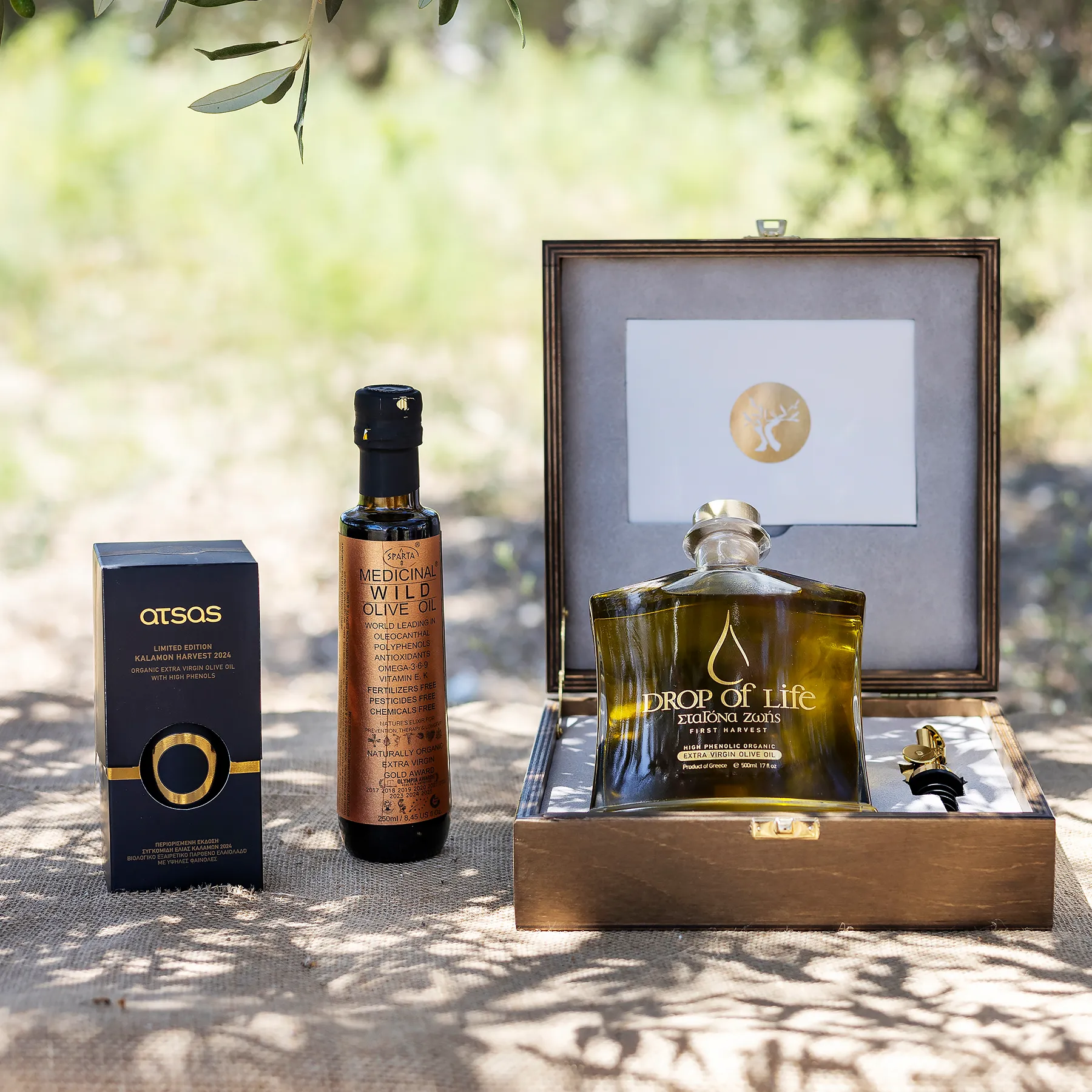
In 2012, the European Food Safety Authority approved a health claim for olive oil polyphenols under Commission Regulation (EU) No 432/2012, stating that they contribute to the protection of blood lipids from oxidative stress. The claim applies only to oils containing at least 5 mg of hydroxytyrosol and its derivatives per 20 g of oil, equivalent to roughly 250 mg/kg. Producers who publish third-party lab results to substantiate this are the ones worth buying from. Many of the oils we carry far exceed the threshold: Pamako certifies above 2,000 mg/kg, Atsas Gold at 2,663 mg/kg, and Sparta Green Label holds the world record at 3,443 mg/kg.
Our Top Picks: Pamako, Atsas & Sparta
Every oil below comes with published third-party lab analysis and a current harvest date. These are our standout recommendations across three world-class producers, each with a distinct origin and phenolic character.
Pamako, Crete
Founded in 2014 in the mountainous Selino region of Crete, Pamako takes its name from the Mycenaean Greek word for medicine. The brand removes the olive pit before malaxing and applies inert Argon gas during processing, a level of technical precision extraordinarily rare in olive oil production, yielding consistently ultra-high phenolic content with certified EU health claim status.
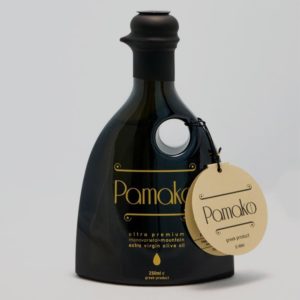
Pamako Ultra Premium Monovarietal EVOO, 250ml
Single-variety Tsounati, certified above 2,081 mg/kg total polyphenols and 1,318 mg/kg oleocanthal. Our most consistently reviewed oil for therapeutic daily use.
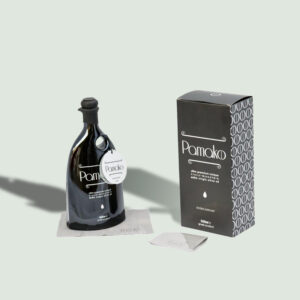
Pamako Ultra Premium Blend EVOO, 500ml
A 60/40 Tsounati-Koroneiki blend, ideal for daily culinary use and the best value per litre in the Pamako range.
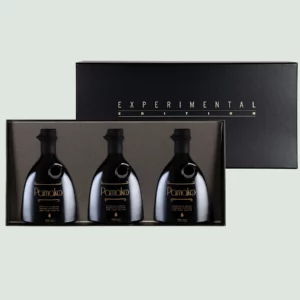
Pamako Experimental Edition, 3 x 250ml
Three bottles from different harvest windows, only 200 sets per season. A rare collector’s set for the enthusiast who wants to taste how timing shapes polyphenol character.
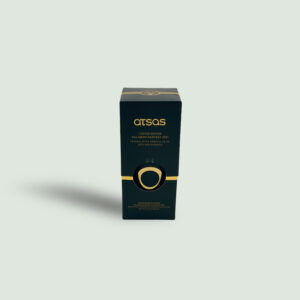
Atsas, Cyprus
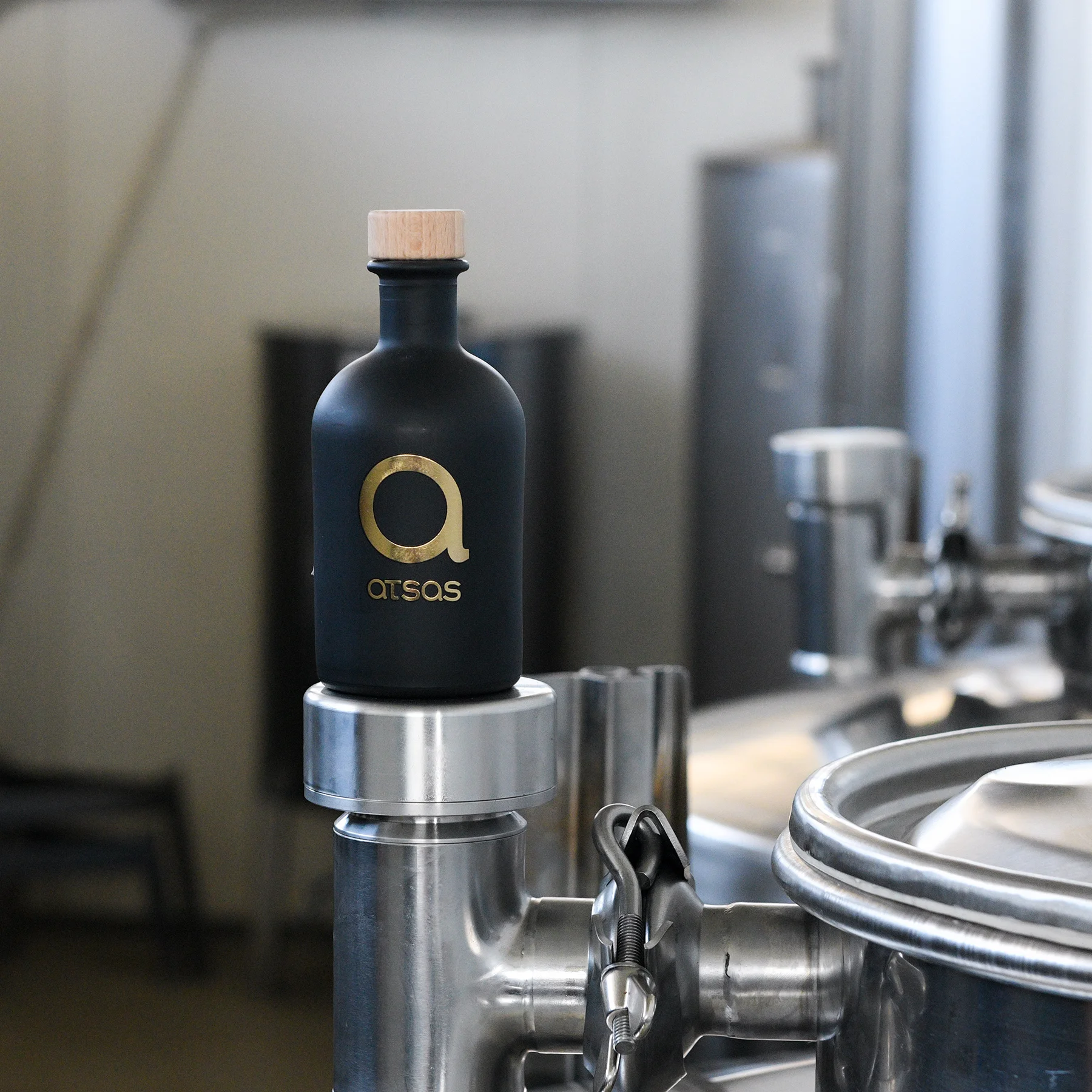
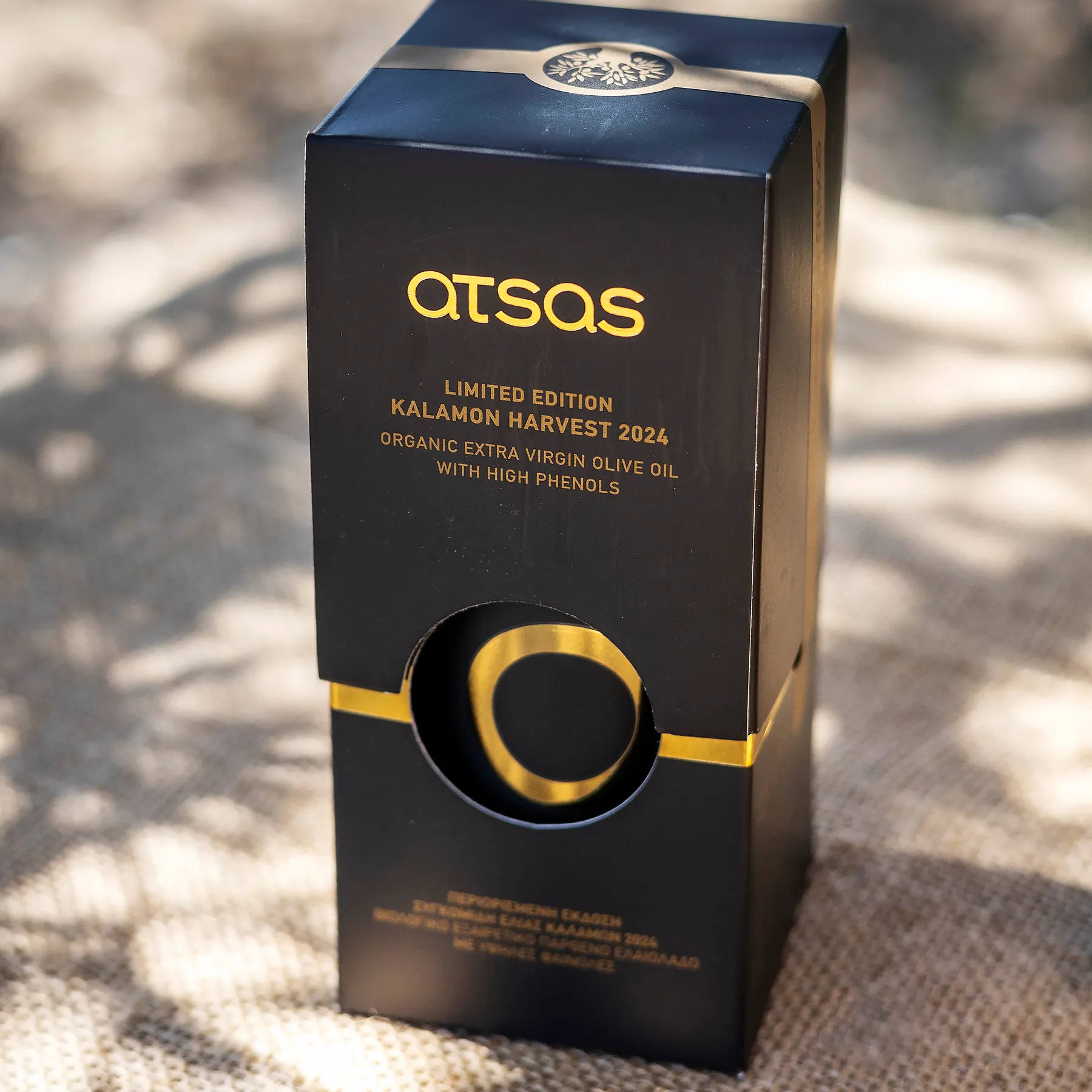
Produced on a permaculture farm in Evrychou, Cyprus, with 7,000 olive trees under agroecological principles and zero synthetic inputs. Atsas has earned multiple Aristoleo Awards and is among very few producers globally with consistent verified concentrations above 1,500 mg/kg.
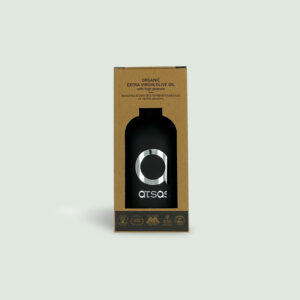
Atsas Silver High Phenolic Organic EVOO, 250ml
Kalamon and Koroneiki blend, 1,787 mg/kg polyphenols. Robust and peppery, and the most accessible entry point into the Atsas range.
Atsas Gold Limited Edition, 250ml
2,663 mg/kg certified, a few hundred bottles per season. Half a teaspoon daily delivers clinically meaningful polyphenol intake.
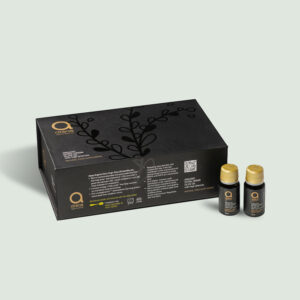
Atsas Natural Food Supplement, 15 x 10ml
Precision-dosed individual bottles, ideal for protocol users and health-conscious corporate gifting.
Sparta Medicinal, Greece
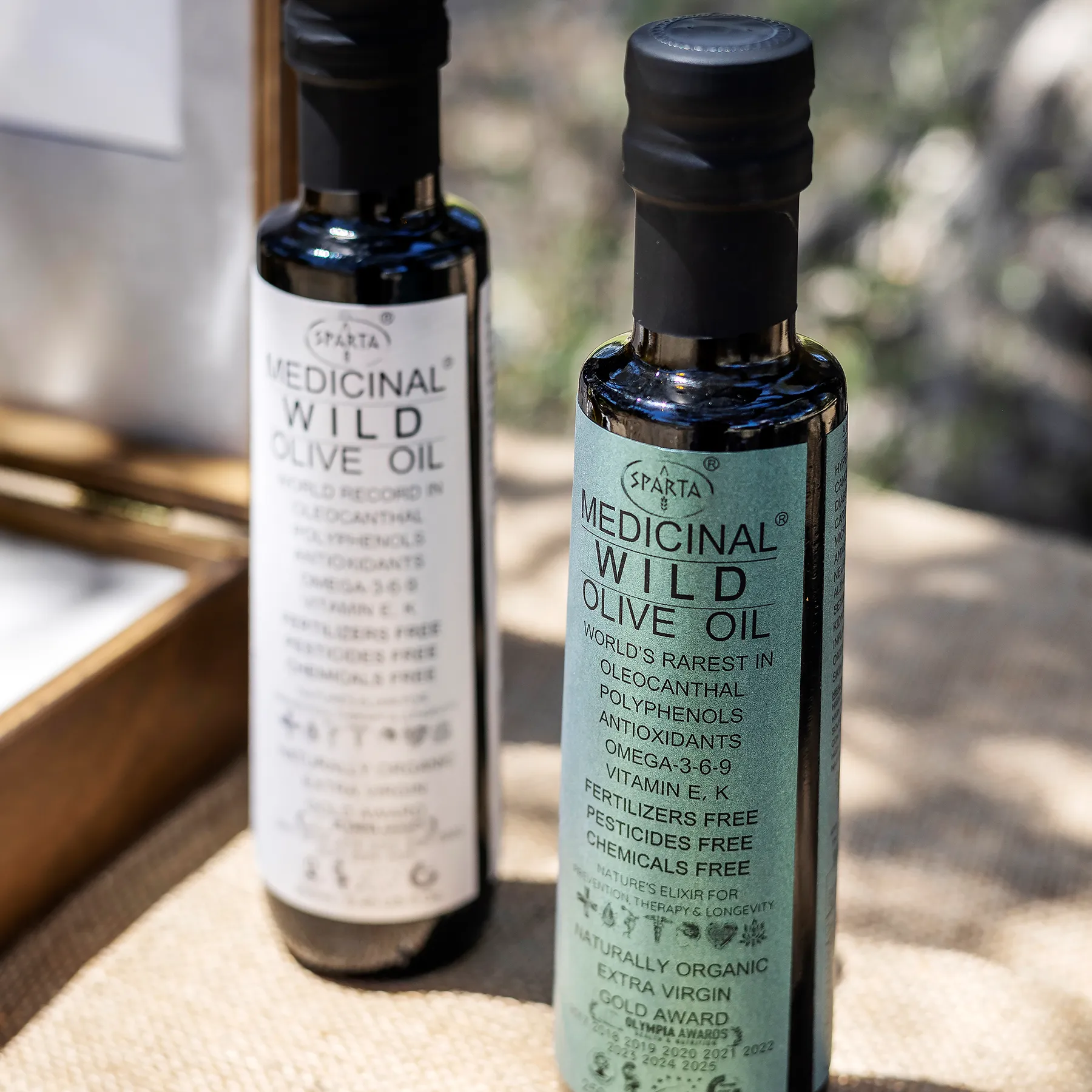
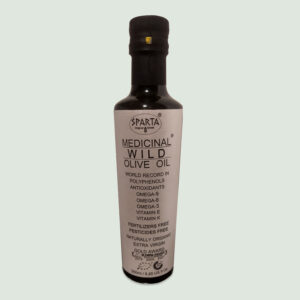
Sakkas and Co. operates from a 40-hectare estate officially recognised as a Wild Olive Forest, with self-sustaining trees that receive no fertilisers, pesticides, or chemicals. The resulting polyphenol concentrations are without parallel in cultivated production. Gourmet Groceries holds exclusive UK rights to the full Sparta range.
Sparta Gold Label Medicinal EVOO, 250ml
2,484 mg/kg total polyphenols, 1,809 mg/kg oleocanthal. The entry into Sparta’s medicinal tier, complex and unmistakably wild in character.
Sparta Limited Edition Medicinal Organic Wild EVOO, 250ml
A step above Gold in both rarity and intensity, with world-record oleocanthal levels and limited seasonal availability. Half a teaspoon a day is enough to deliver significant health benefits.
Sparta Green Label Medicinal EVOO, 250ml
The world record holder at 3,443 mg/kg, 70 bottles per season, exclusive to Gourmet Groceries. As far from supermarket EVOO as an oil can get.
Frequently Asked Questions
We will be covering how to choose, store, and use high-phenolic olive oil in dedicated upcoming articles. For now, the essentials.
The EFSA threshold is 250 mg/kg, at least 5 mg of hydroxytyrosol per 20 g of oil. Oils like Pamako, Atsas, and Sparta exceed this by a factor of five to fourteen.
Bitterness is oleuropein and hydroxytyrosol; the throat sting is oleocanthal at work. Both are quality signals, not flaws, and they soften as your palate adjusts with regular use.
No. Extra virgin certification covers acidity and sensory standards, not polyphenol content. Many certified EVOOs sit well below the 250 mg/kg threshold, which is why published lab data matters.
Pamako (Crete) is technically precise with pit-free malaxation and Argon processing. Atsas (Cyprus) comes from permaculture farming with a strong oleocanthal profile and a loyal following among protocol users. Sparta (Greece) sources from a certified Wild Olive Forest with zero cultivation inputs, producing the highest polyphenol concentrations ever recorded commercially.
Sources & References
- European Food Safety Authority. Commission Regulation (EU) No 432/2012. 2012. eur-lex.europa.eu
- Hohmann CD, et al. The effect of high-polyphenol extra virgin olive oil on cardiovascular risk factors: A systematic review and meta-analysis. Crit Rev Food Sci Nutr. 2019. pubmed.ncbi.nlm.nih.gov
- Triantafyllou A, et al. Effects of High-Phenolic EVOO on the Lipid Profile of Patients with Hyperlipidemia: A Randomized Clinical Trial. Nutrients. 2025. mdpi.com
- Masella R, et al. Dietary EVOO Polyphenols and Gut Microbiota Interaction. Antioxidants. 2022. mdpi.com
- Exploring the Benefits of Extra Virgin Olive Oil on Cardiovascular Health Enhancement and Disease Prevention: A Systematic Review. PMC. 2025. pmc.ncbi.nlm.nih.gov
Ready to experience the difference?
Explore our full collection of Pamako, Atsas, and Sparta oils, with published lab analysis, harvest dates, and worldwide DHL Express & FedEx Priority shipping.