Blog
Olive Oil vs. Vegetable Oil: What Everyone Should Know


Walk down any grocery store aisle and you’ll notice vegetable oil lined up in neat rows, a kitchen staple for many recipes. But next to it sits a bottle of olive oil, often carrying a higher price tag and a reputation for being healthier and more flavorful. So, what exactly sets these two oils apart—and when should you use one over the other? Let’s break down olive oil vs. vegetable oil by flavor, health, and cooking performance.
Flavor: Neutral vs. Distinctive
Vegetable oil isn’t just one oil—it’s a blend. Typically made from soybeans, corn, canola, sunflower, or safflower, the exact composition varies depending on the brand and season. What doesn’t vary is the taste: it’s designed to be neutral. Light in color, odorless, and almost flavorless, vegetable oil quietly supports a dish without drawing attention. This makes it popular for frying or baking, where moisture is more important than taste.
Olive oil, on the other hand, brings character to the table. Extra virgin olive oil in particular is prized for its peppery, grassy, sometimes fruity notes. Far from being neutral, olive oil enhances food. A drizzle over roasted vegetables or fresh bread transforms a dish, adding depth and complexity. While refined olive oils exist, they lose much of that distinctive flavor. For chefs and home cooks alike, it’s the boldness of fresh extra virgin olive oil that makes it indispensable.
Health Benefits: Refined vs. Natural Goodness
The biggest difference between olive oil and vegetable oil lies in nutrition.
- Vegetable oil is usually heavily refined, stripped of many nutrients during processing with heat and chemicals. While some oils (like sunflower) may retain vitamin E, the overall health profile is less impressive, especially considering the higher levels of omega-6 fatty acids and saturated fats found in many blends.
- Extra virgin olive oil skips harsh refining and keeps its natural goodness intact. It’s rich in monounsaturated fats—often called the “healthy fats”—and loaded with antioxidants that help fight free radicals and reduce inflammation. Studies consistently link olive oil, especially within the Mediterranean diet, to reduced risks of cardiovascular disease, diabetes, and even age-related decline.
Put simply: if you want both flavor and health, olive oil is the gold standard.
Frying: Can Olive Oil Handle the Heat?
One of the biggest myths is that olive oil can’t be used for frying. In reality, high-quality extra virgin olive oil has a smoke point around 400°F, which is comparable to vegetable oil. This makes it perfectly suitable for sautéing and shallow frying. Refined olive oils have slightly lower smoke points, but with careful temperature control, olive oil remains a reliable option in the frying pan.
The added bonus? Foods fried in olive oil benefit from both its subtle flavor and its nutritional edge.
The Healthy Choice: Olive Oil with High Phenolics
When it comes to choosing between olive oil and vegetable oil, the health benefits of olive oil—particularly extra virgin olive oil—stand out. Beyond its rich monounsaturated fats and antioxidants, the real secret lies in high-phenolic olive oils. Phenolic compounds are powerful antioxidants found in olives, and studies show they can reduce inflammation, protect the heart, and even support cognitive health as we age.
Unlike generic vegetable oils, which lose much of their nutritional value during heavy refining, high-phenolic olive oils retain their natural potency, offering a concentrated source of protective compounds. This makes them more than just a cooking ingredient—they’re functional foods that support longevity and overall wellness.
Explore our carefully selected high-phenolic olive oils and experience the difference that true quality—and nature’s most powerful antioxidants—can make.
Sparta Medicinal Olive Oil | Green Label
Harvest 2025/6 | Total Phenols: 3,443 mg/kg, Oleocanthal: 2040 mg/kg
Original price was: 650,00 €.499,00 €Current price is: 499,00 €.250ml/8.45fl oz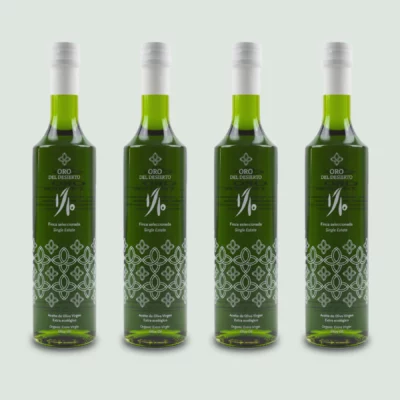
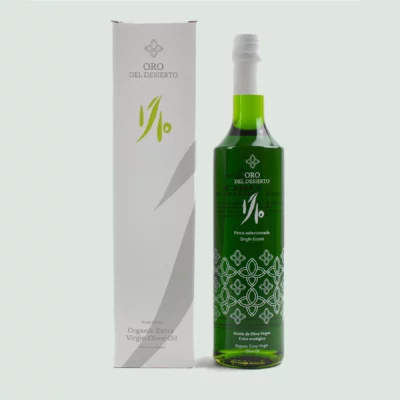
Early Harvest Limited Edition 1/10 Bundle | Oro del Desierto
New Harvest 2025/6 Total Phenols 1292 mg/kg MRM Estimated NMR 1500+
Original price was: 232,00 €.196,00 €Current price is: 196,00 €.4 x500ml/16.9 fl oz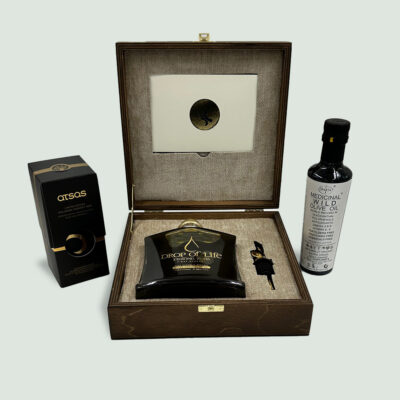
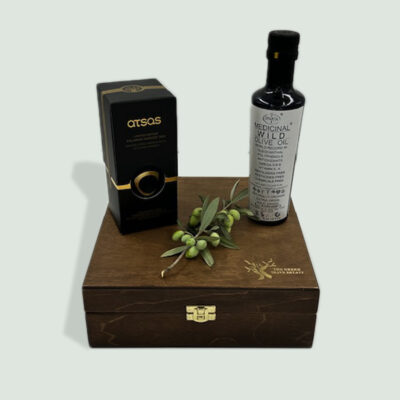
World’s Highest Phenolic Evoo Bundle
2025/6 HARVEST of World Record polyphenol count medicinal wild evoo
Original price was: 665,00 € – 1.685,00 €Price range: 665,00 € through 1.685,00 €. Price range: 503,10 € through 1.199,70 €Current price is: 503,10 € – 1.199,70 €Price range: 503,10 € through 1.199,70 €.